
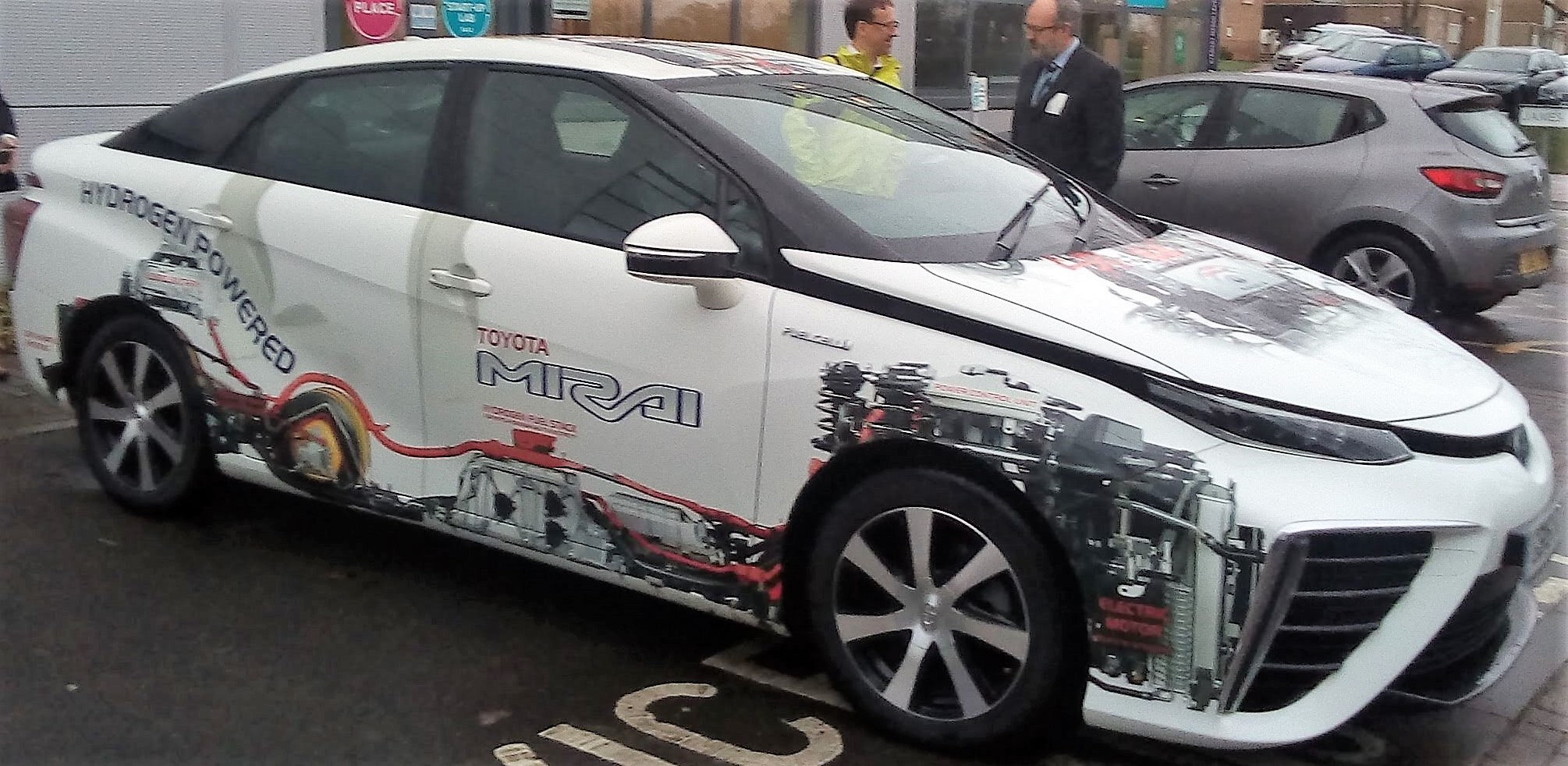
The government is rightly proposing some very ambitious environmental targets for the next few decades and one of the main objectives is to stop the sales of all new petrol and diesel power cars by 2030 and hybrids by 2035. Yet what comes after the much beloved petrol engine is not as clear as it may seem on the surface.
Take outs to consider:
1. The transition from carbon-based fuels is well underway.
2. The market is moving towards lithium cells. However, these cells are hard to recycle, components come from dubious sources, they weaken and fail over time.
3. Lithium powered are too weak to cope with heavy duty transport and too heavy for long distance transport. There are best utilised is in light city/ commuter vehicles.
4. Leading car and transport manufacturers such as Toyota, Hyundai, Alstrom, JCB and most of the Chinese transport sector are looking to Hydrogen fuel cells as the solution for the long-term.
All electric vehicles (EVs) are powered by Lithium batteries which are often built into the floor pan as part of the structure of the vehicle. EVs are fast recharging and there are claims of over 200 miles range caveated by the phrase ‘depending on your driving style’! They have zero carbon emissions which is why the government are so keen to promote them taking the low hanging fruit as part of their carbon emissions reduction target. They cite the garage of the future having gyms and cafés while you wait between 30 minutes and 3 hours while your car fast charges or trickle charges and no doubt there will be a cost difference. In the race for carbon free mass transport has this brave new EV world been properly thought through or are we in danger of opening a new can of worms?
Problems further down the EV road?
Under the shiny new bonnet of the EV there are several issues that are making vehicle manufacturers innovate in other directions and strategizing for a post lithium powered world. Environmentally there is the well-known issue of the dirty mining processes involved in extracting lithium in some of the world’s poorest countries. However, there is the less well-known issue of the end-of-life recycling of the batteries. In short, these batteries cannot be easily recycled and there is a ‘fridge mountain’ waiting to happen. Typically, Lithium Ion batteries degrade at 20% or every 1000 charges per year, every year, indeed fast charging only accelerates the degradation. The reality will be that a promised 200-mile range will halve in 3-4 years. The Motive power industry recommend replacing fork-lift Lion truck batteries after 6 years vs 3-5 years for a more traditional lead acid battery that is heavier, slow to recharge but much cheaper and 100% recyclable. With cars its more difficult and expensive due to the batteries being built into the structure of the vehicle.
Yet the car industry, in its drive to reduce emissions is investing in Lithium power plants, Tesla has led the way in 100% EV’s and Toyota on hybrids. However, whereas Tesla is convinced that the long-term future for vehicles is battery powered, Toyota, Hyundai and others are not so sure. They see lithium powered all electric vehicles as a staging post and are investing heavily in hydrogen fuel cell (HFC) powered vehicles. Such is their confidence in this technology that Toyota have moved beyond test models and are opening the world’s first mass manufacturing plant in Japan to produce 30,000 platforms a year, one being the Toyota Mirai.
A smarter solution?
Hydrogen fuel cells (HFCs) are still in the final stages of development, but the advantages are clear. Water is the only output, they are significantly lighter, fast refuelling (similar to traditional fuels), long range, can pull heavy loads, no degradation in performance over time, no nasty recycling issues. Hyundai are also developing at a pace and have a fuel cell powered vehicle. In China in Foshan there are over 700 HFC trucks and buses on the roads with 16 fuel stations around the city. Alstom are manufacturing commuter and medium range HFC trains and JCB/Wright Bus are investing heavily in HFC platforms.
The battle is on, Tesla’s business plan is very battery orientated which might explain the comment from Elon Musk, “Fuel cells = fool sells”. However, the fact that a Tesla 85KW vehicle needs a battery plus car weight of over 1000KG to travel a range of 620 miles vs a Toyota Mirai 114 kw HFC car at a total weight of car plus fuel of 290 kg (source Toyota) speaks volumes. As the load goes up batteries as a power source become less and less economic. The solution to the question of future of vehicle power is a range of answers depending on the use, required range and weight. But the future is definitely not, solely an all lithium powered one.
Innovation is key; new lightweight vehicle technology, new battery technology is developing at a pace with high hopes that lightweight, clean graphene may replace lithium. New green hydrogen production processes and developing hydrogen fuel cell technology for heavier loads and aircraft are all signs of the future that is just around the corner.
The Innovation People have significant consulting experience in this field: contact@tipinnovate.com